


Prognos
Prognos
Prognos
Streamlining surgical documentation for surgeons to improve outcome tracking.
Streamlining surgical documentation for surgeons to improve outcome tracking.
Streamlining surgical documentation for surgeons to improve outcome tracking.
5 minutes read | 2 minutes if you scan
5 minutes read | 2 minutes if you scan
5 minutes read | 2 minutes if you scan
My Role
My Role
My Role
Complete UX Process. From Research to Prototyping.
Complete UX Process.
From Research to Prototyping.
Complete UX Process. From Research to Prototyping.
Timeline
Timeline
Timeline
July 2025 - August 2025
July 2025 - August 2025
July 2025 - August 2025
Tools Used
Tools Used
Tools Used
Figma | Adobe Illustrator
Figma | Adobe Illustrator
Figma | Adobe Illustrator
At a glance
At a glance
At a glance
A mobile-first solution that allows surgeons to quickly document surgeries, collaborate with colleagues, and access long-term analytics, enabling outcome tracking, research, and continuous professional growth.
A mobile-first solution that allows surgeons to quickly document surgeries, collaborate with colleagues, and access long-term analytics, enabling outcome tracking, research, and continuous professional growth.
A mobile-first solution that allows surgeons to quickly document surgeries, collaborate with colleagues, and access long-term analytics, enabling outcome tracking, research, and continuous professional growth.

Background
Background
Background
I started this project after observing a surgeon at a government hospital in Chandigarh keeping detailed surgical records on WhatsApp on his phone.
I asked him basic questions about his work:
"How many ACL repairs did you perform last year?"
"What's your complication rate?"
He didn't have an exact answer.
His hospital had a Medical Records Department, but accessing a file meant multiple applications and a month of waiting until he finally receives the patient file. So, like thousands of surgeons across India, he'd adapted: WhatsApp for quick notes, Google Drive for files, and paper records that sometimes got lost.
This isn't a productivity problem. This is a learning problem. Without outcome data, surgeons can't improve their practice. Hospitals can't identify patterns. Research can't advance.
I wanted to understand how widespread this was.
I started this project after observing a surgeon at a government hospital in Chandigarh keeping detailed surgical records on WhatsApp on his phone.
I asked him basic questions about his work:
"How many ACL repairs did you perform last year?"
"What's your complication rate?"
He didn't have an exact answer.
His hospital had a Medical Records Department, but accessing a file meant multiple applications and a month of waiting until he finally receives the patient file. So, like thousands of surgeons across India, he'd adapted: WhatsApp for quick notes, Google Drive for files, and paper records that sometimes got lost.
This isn't a productivity problem. This is a learning problem. Without outcome data, surgeons can't improve their practice. Hospitals can't identify patterns. Research can't advance.
I wanted to understand how widespread this was.
I started this project after observing a surgeon at a government hospital in Chandigarh keeping detailed surgical records on WhatsApp on his phone.
I asked him basic questions about his work:
"How many ACL repairs did you perform last year?"
"What's your complication rate?"
He didn't have an exact answer.
His hospital had a Medical Records Department, but accessing a file meant multiple applications and a month of waiting until he finally receives the patient file. So, like thousands of surgeons across India, he'd adapted: WhatsApp for quick notes, Google Drive for files, and paper records that sometimes got lost.
This isn't a productivity problem. This is a learning problem. Without outcome data, surgeons can't improve their practice. Hospitals can't identify patterns. Research can't advance.
I wanted to understand how widespread this was.
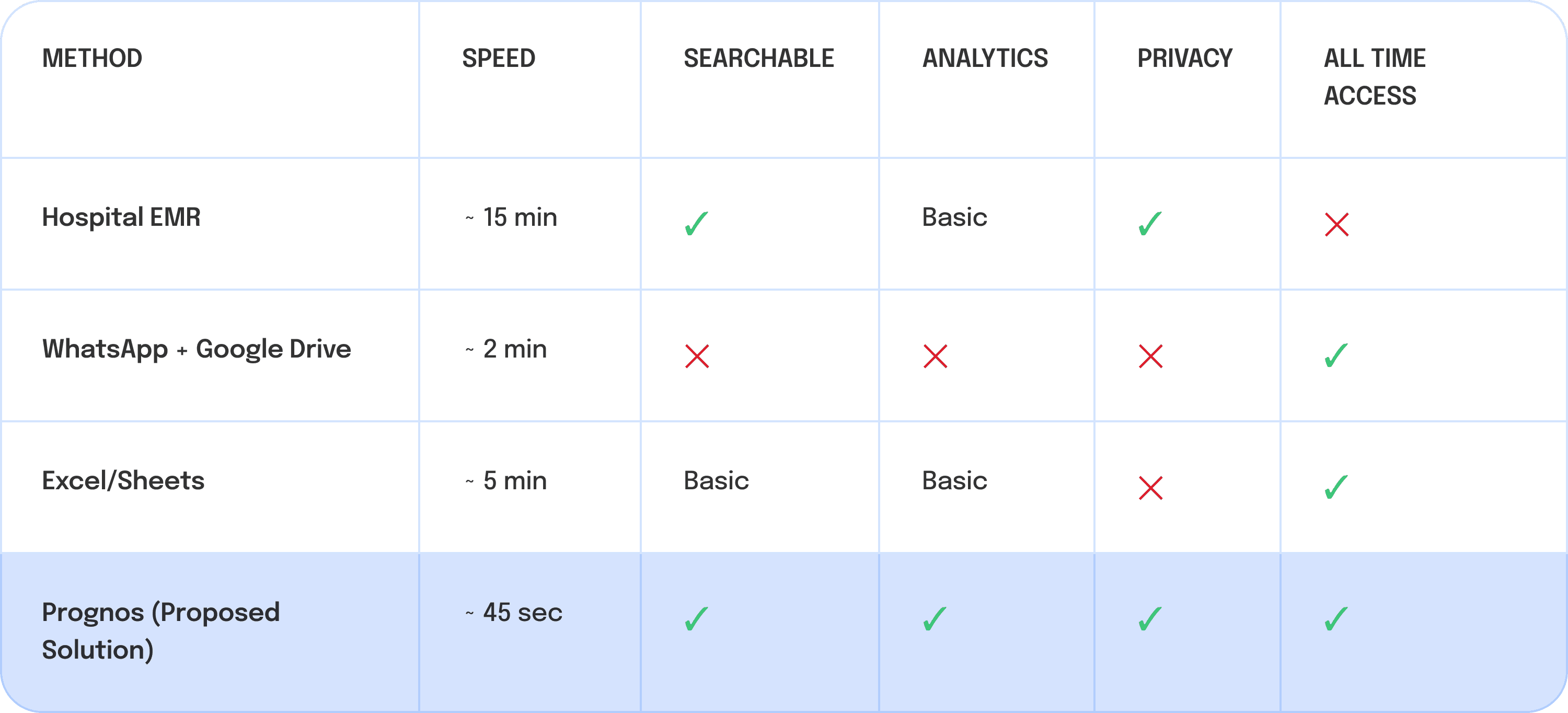
Why Surgeons Use Workarounds Instead of Hospital EMRs?
Why Surgeons Use Workarounds Instead of Hospital EMRs?
Why Surgeons Use Workarounds Instead of Hospital EMRs?
User Insights
User Insights
User Insights
What 12 Surgeons Taught Us: Key Themes from Research
What 12 Surgeons Taught Us: Key Themes from Research
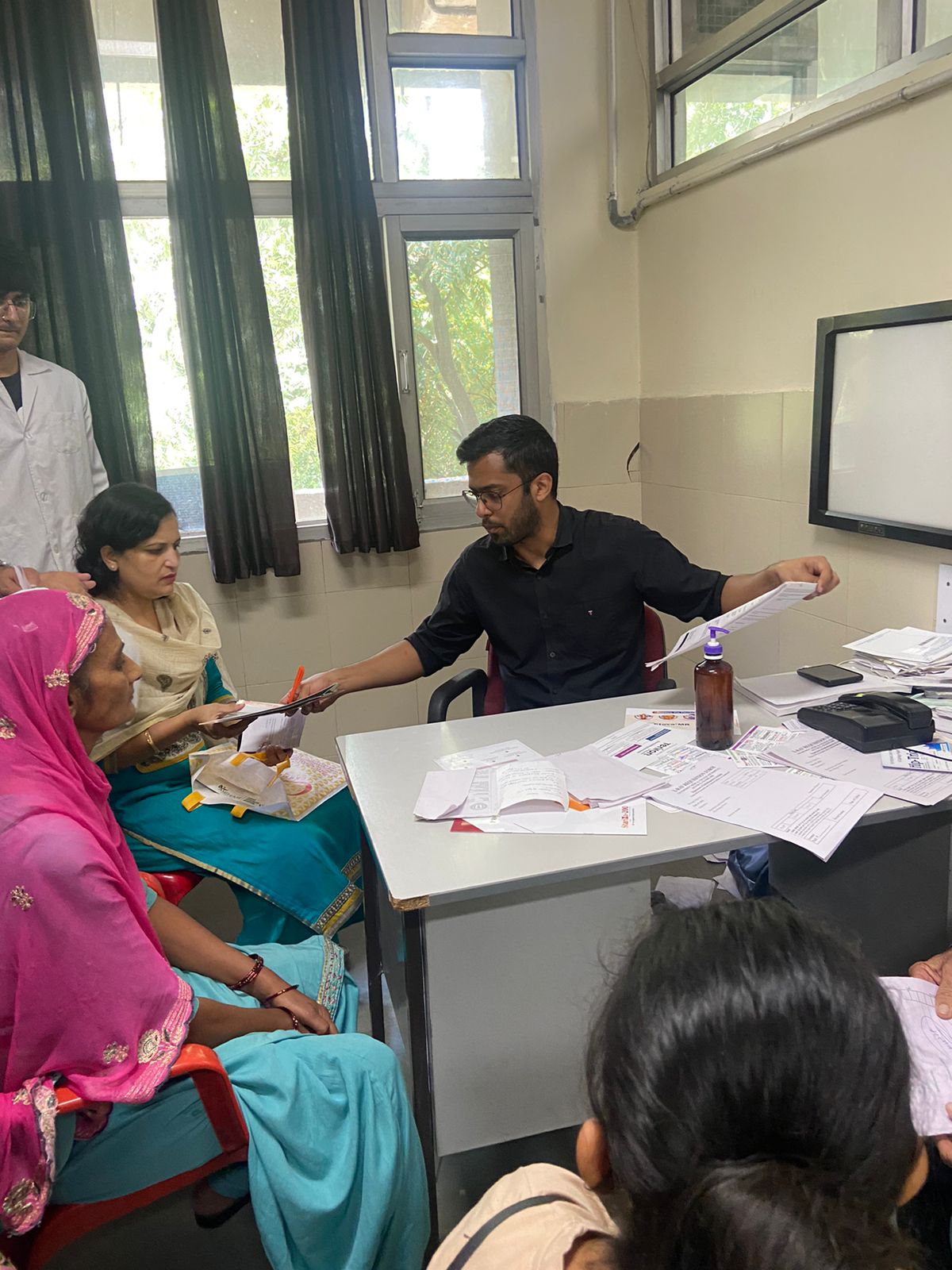
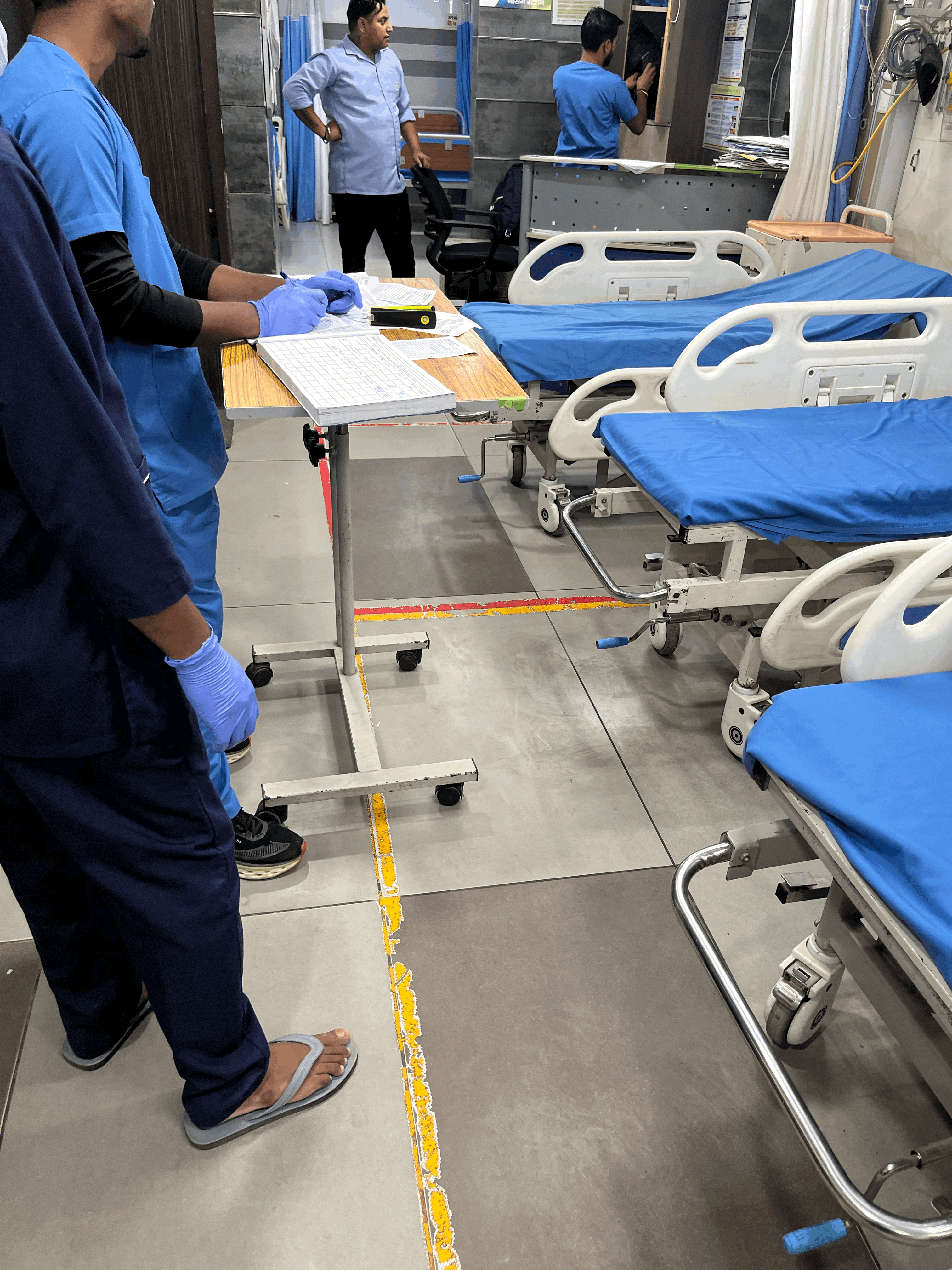
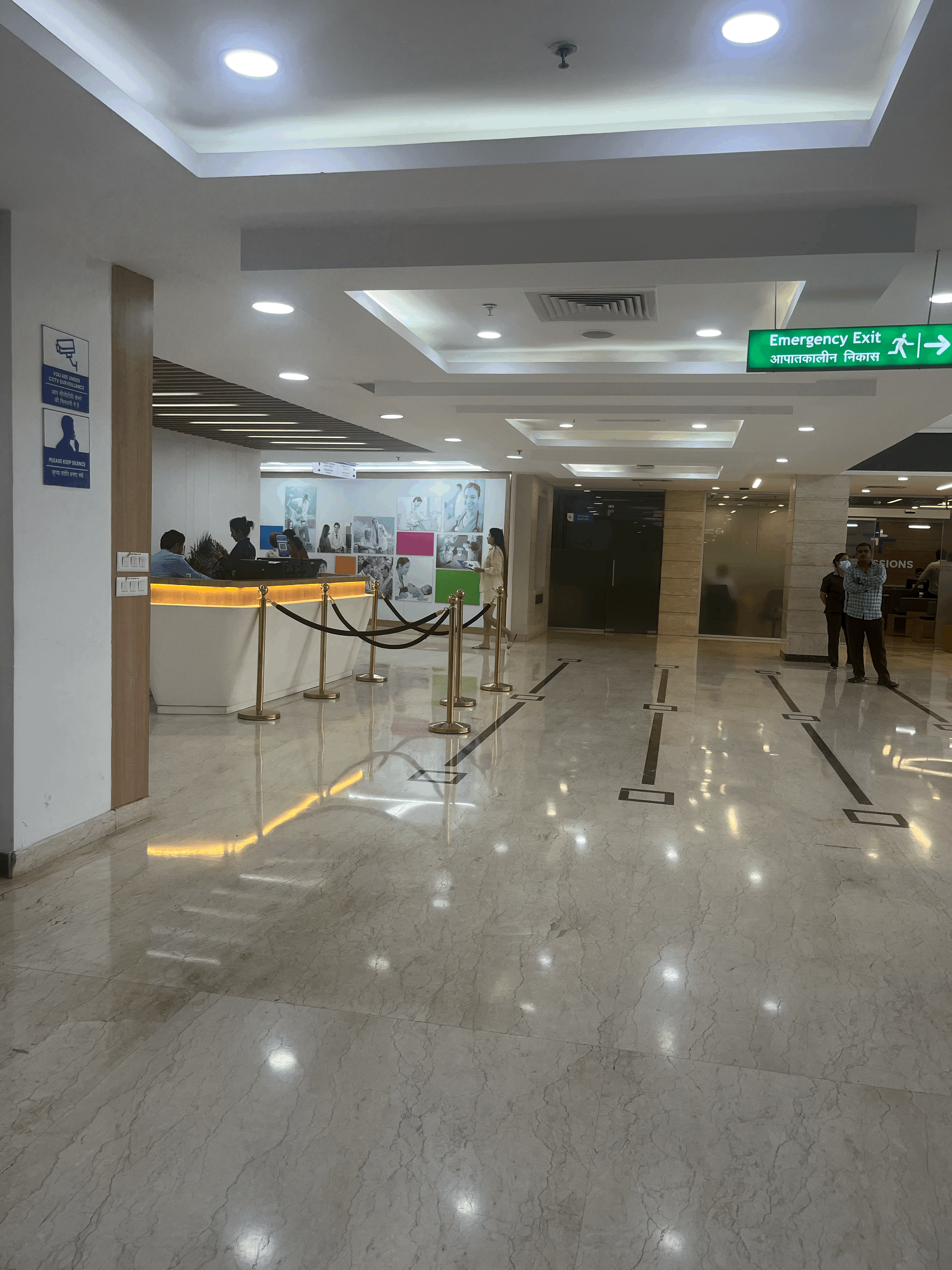
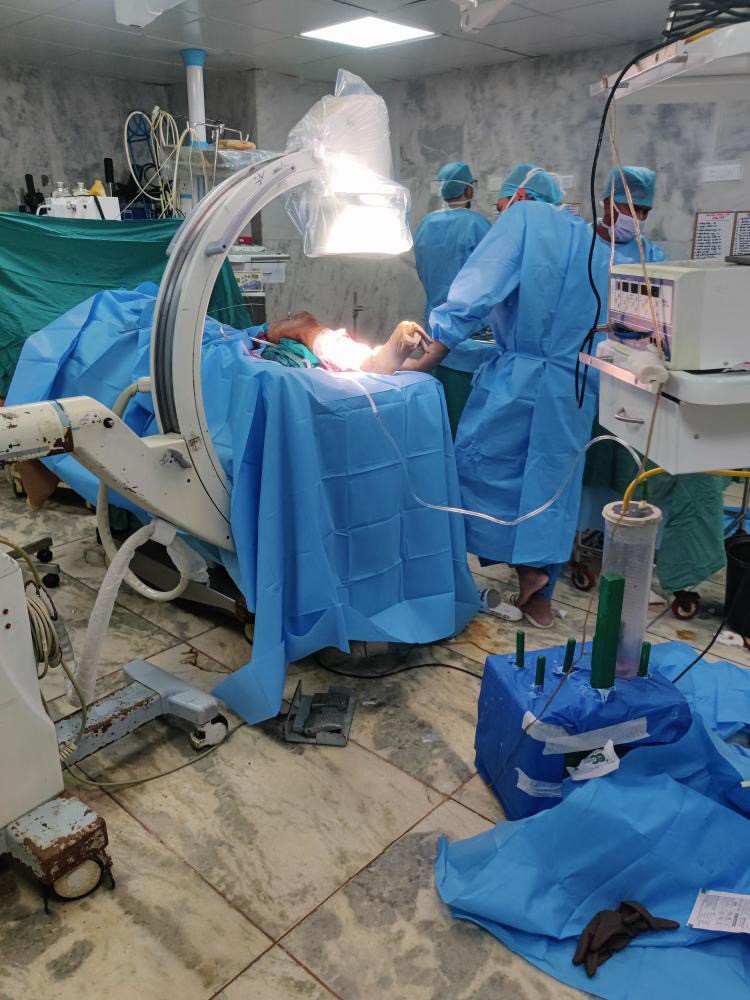
I conducted 12 semi-structured interviews with practicing surgeons across tier 1 and tier 2 Indian cities, working in both government teaching hospitals and private surgical centers.
I conducted 12 semi-structured interviews with practicing surgeons across tier 1 and tier 2 Indian cities, working in both government teaching hospitals and private surgical centers.
Recruitment
Recruitment
Direct outreach through hospital networks and surgeon referrals
Direct outreach through hospital networks and surgeon referrals
Direct outreach through hospital networks and surgeon referrals
Duration
Duration
30–45 minute interviews
30–45 minute interviews
30–45 minute interviews
Research Sample
Research Sample
10 male, 2 female surgeons
Specialties: Orthopedics (5), Surgery (2), ENT (2), Radiology (3)
Experience: 4–20 years in practice
Settings: 2 government teaching hospitals, 2 private hospitals
Geographic: North India
10 male, 2 female surgeons
Specialties: Orthopedics (5), Surgery (2), ENT (2), Radiology (3)
Experience: 4–20 years in practice
Settings: 2 government teaching hospitals, 2 private hospitals
Geographic: North India
10 male, 2 female surgeons
Specialties: Orthopedics (5), Surgery (2), ENT (2), Radiology (3)
Experience: 4–20 years in practice
Settings: 2 government teaching hospitals, 2 private hospitals
Geographic: North India
Insight 1
Insight 1
Other Logbooks = 15–20 min/proc
Willingness threshold: <2 min/proc
All 12 surgeons cited time pressure as the primary reason they use workarounds.
Other Logbooks = 15–20 min/proc
Willingness threshold: <2 min/proc
All 12 surgeons cited time pressure as the primary reason they use workarounds.
Other Logbooks = 15–20 min/proc
Willingness threshold: <2 min/proc
All 12 surgeons cited time pressure as the primary reason they use workarounds.
Insight 2
Insight 2
Information is cluttered on devices
WhatsApp + Google Drive + Hospital EMR (6)
Paper + WhatsApp + Hospital EMR (2)
Hospital EMR only (1)
Information is cluttered on devices
WhatsApp + Google Drive + Hospital EMR (6)
Paper + WhatsApp + Hospital EMR (2)
Hospital EMR only (1)
Information is cluttered on devices
WhatsApp + Google Drive + Hospital EMR (6)
Paper + WhatsApp + Hospital EMR (2)
Hospital EMR only (1)
Insight 3
Insight 3
Surgeons use phones, not computers:
Hands often wet or gloved
Need to move quickly between ORs
May use device one-handed
Surgeons use phones, not computers:
Hands often wet or gloved
Need to move quickly between ORs
May use device one-handed
Surgeons use phones, not computers:
Hands often wet or gloved
Need to move quickly between ORs
May use device one-handed
Insight 4
Insight 4
Doctors want to compare outcomes.
"50 ACL repairs, how many succeeded? What went wrong with failures?"
Doctors want to compare outcomes.
"50 ACL repairs, how many succeeded? What went wrong with failures?"
Doctors want to compare outcomes.
"50 ACL repairs, how many succeeded? What went wrong with failures?"
Registries: The Global Standard for Tracking Outcomes
Registries: The Global Standard for Tracking Outcomes
Registries: The Global Standard for Tracking Outcomes
In developed countries, national registries track all surgeries.
For Example: When a patient gets a joint replacement in the UK, it goes on the National Joint Registry. If revision surgery is needed, it's flagged.
The registry shows:
How many surgeries you've done
How many succeeded vs. failed
What caused the failures
Trends in your performance over time
India lacks such registries at the national level. Personal documentation is the first step toward building them.
In developed countries, national registries track all surgeries.
For Example: When a patient gets a joint replacement in the UK, it goes on the National Joint Registry. If revision surgery is needed, it's flagged.
The registry shows:
How many surgeries you've done
How many succeeded vs. failed
What caused the failures
Trends in your performance over time
India lacks such registries at the national level. Personal documentation is the first step toward building them.
In developed countries, national registries track all surgeries.
For Example: When a patient gets a joint replacement in the UK, it goes on the National Joint Registry. If revision surgery is needed, it's flagged.
The registry shows:
How many surgeries you've done
How many succeeded vs. failed
What caused the failures
Trends in your performance over time
India lacks such registries at the national level. Personal documentation is the first step toward building them.
How Might We
How Might We
Make a system that respects surgeon constraints (time, context, trust) and delivers on hidden needs (outcome data, professional growth)
Make a system that respects surgeon constraints (time, context, trust) and delivers on hidden needs (outcome data, professional growth)
Make a system that respects surgeon constraints (time, context, trust) and delivers on hidden needs (outcome data, professional growth)
Feature Priority Matrix
Feature Priority Matrix
Feature Priority Matrix
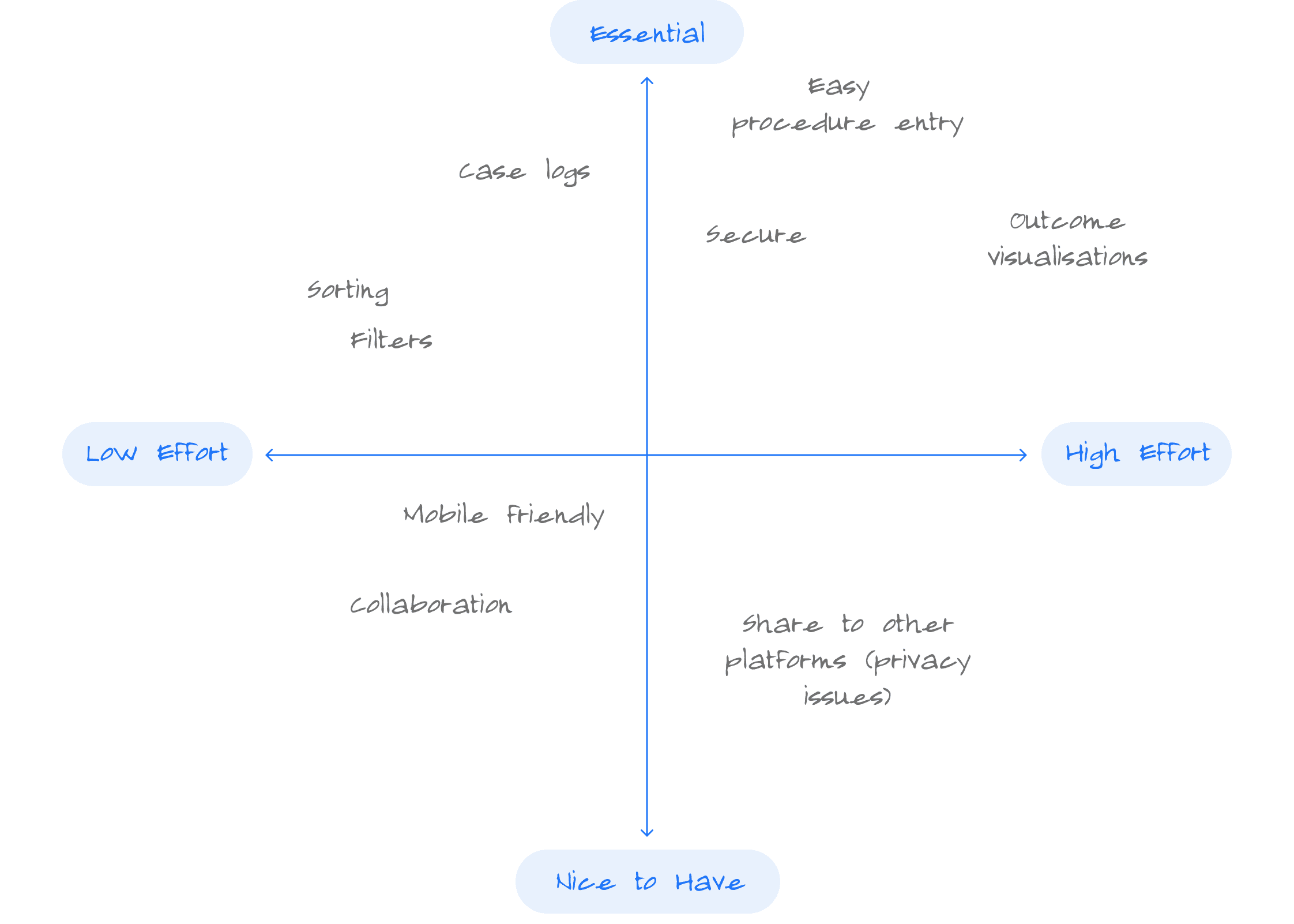
Feature Priority: Impact vs. Effort (What Gets Built When?)
Feature Priority: Impact vs. Effort (What Gets Built When?)
Feature Priority: Impact vs. Effort (What Gets Built When?)
View User Persona, Journey Maps, Information Architecture, Flows and Wireframes →
View User Persona, Journey Maps, Information Architecture, Flows and Wireframes →
View User Persona, Journey Maps, Information Architecture, Flows and Wireframes →
Home Page
Home Page
Home Page
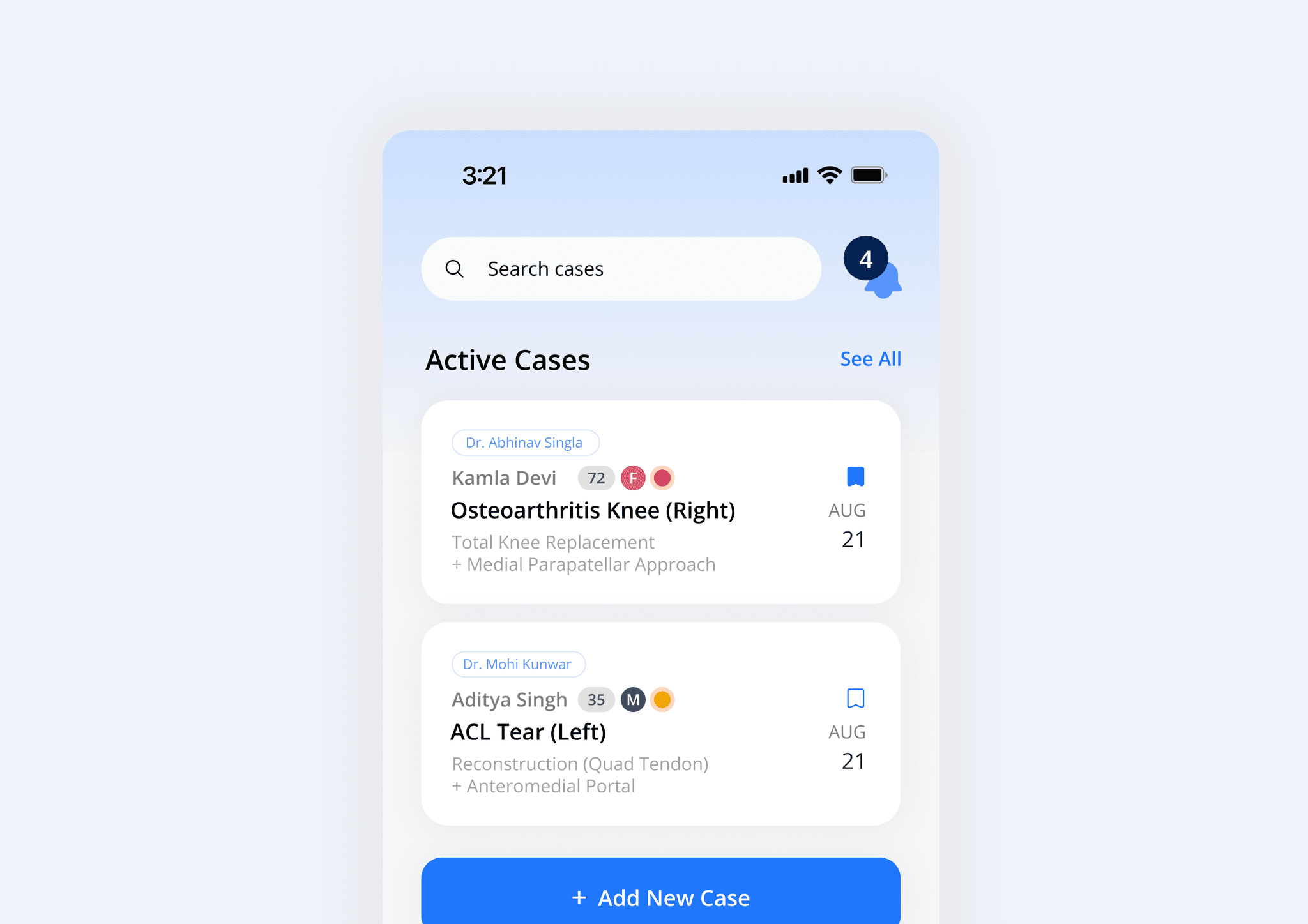
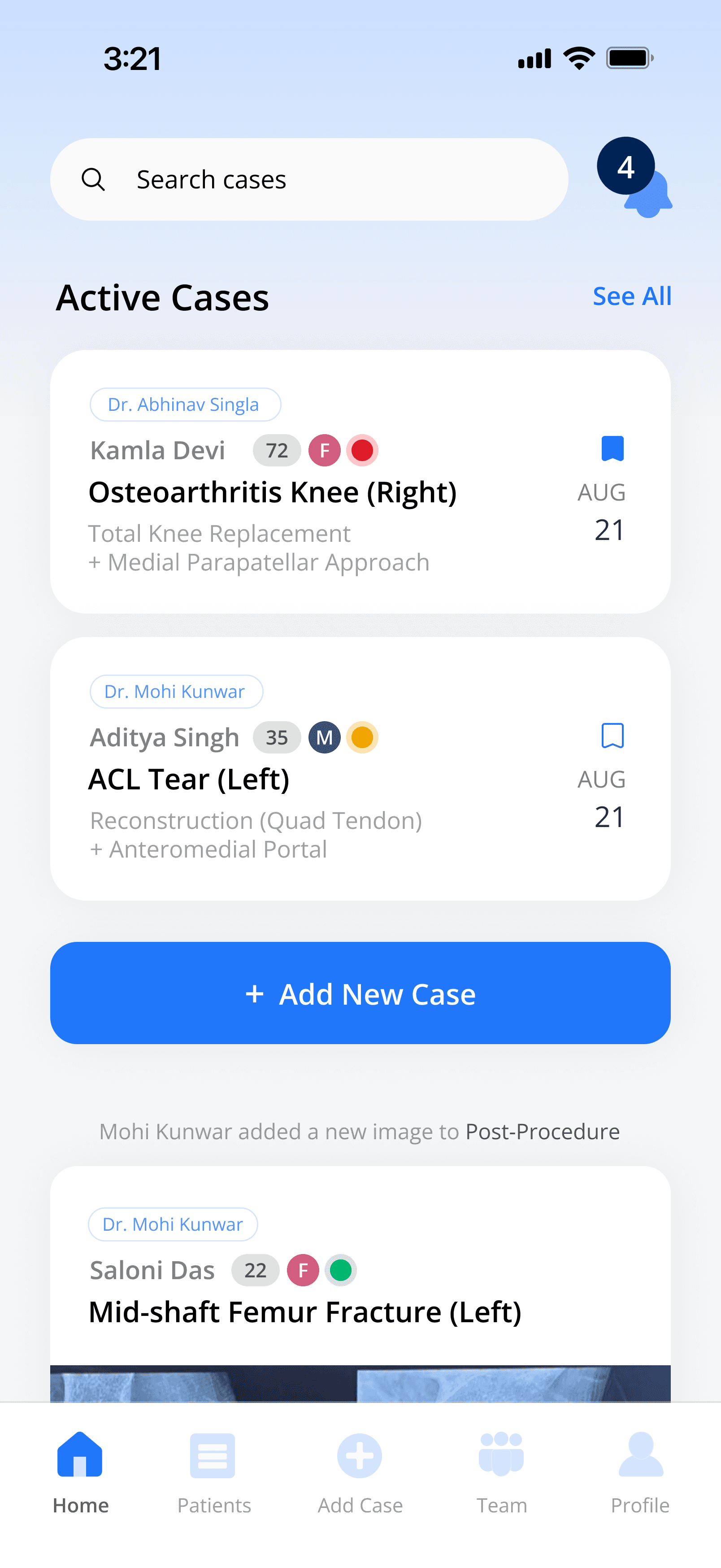
Since there's a high patient load in India, surgeons generally remember the diagnosis more than the patient name.
Since there's a high patient load in India, surgeons generally remember the diagnosis more than the patient name.
Since there's a high patient load in India, surgeons generally remember the diagnosis more than the patient name.
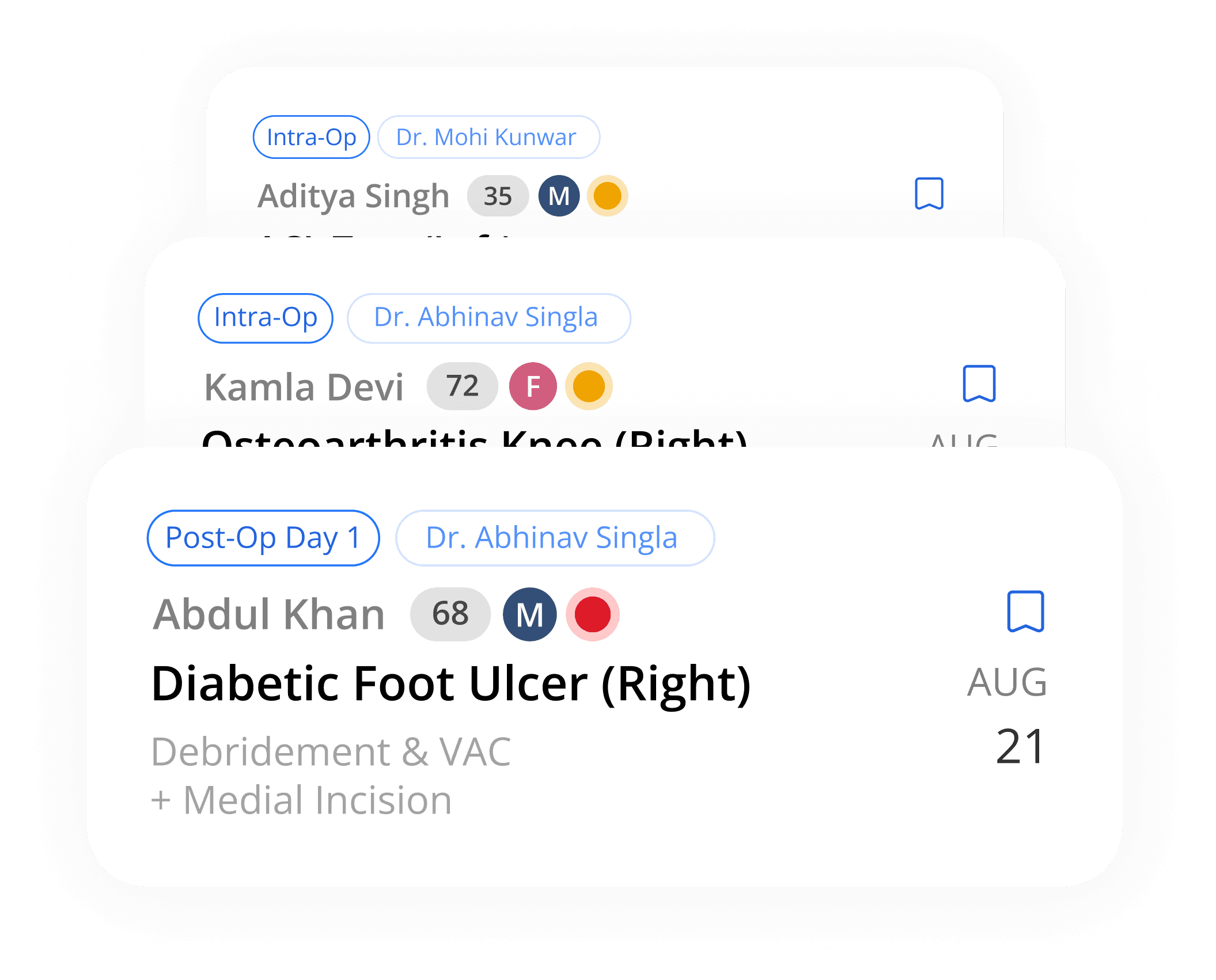
Active Cases appear on top based on the order of case severity.
Active Cases appear on top based on the order of case severity.
Active Cases appear on top based on the order of case severity.
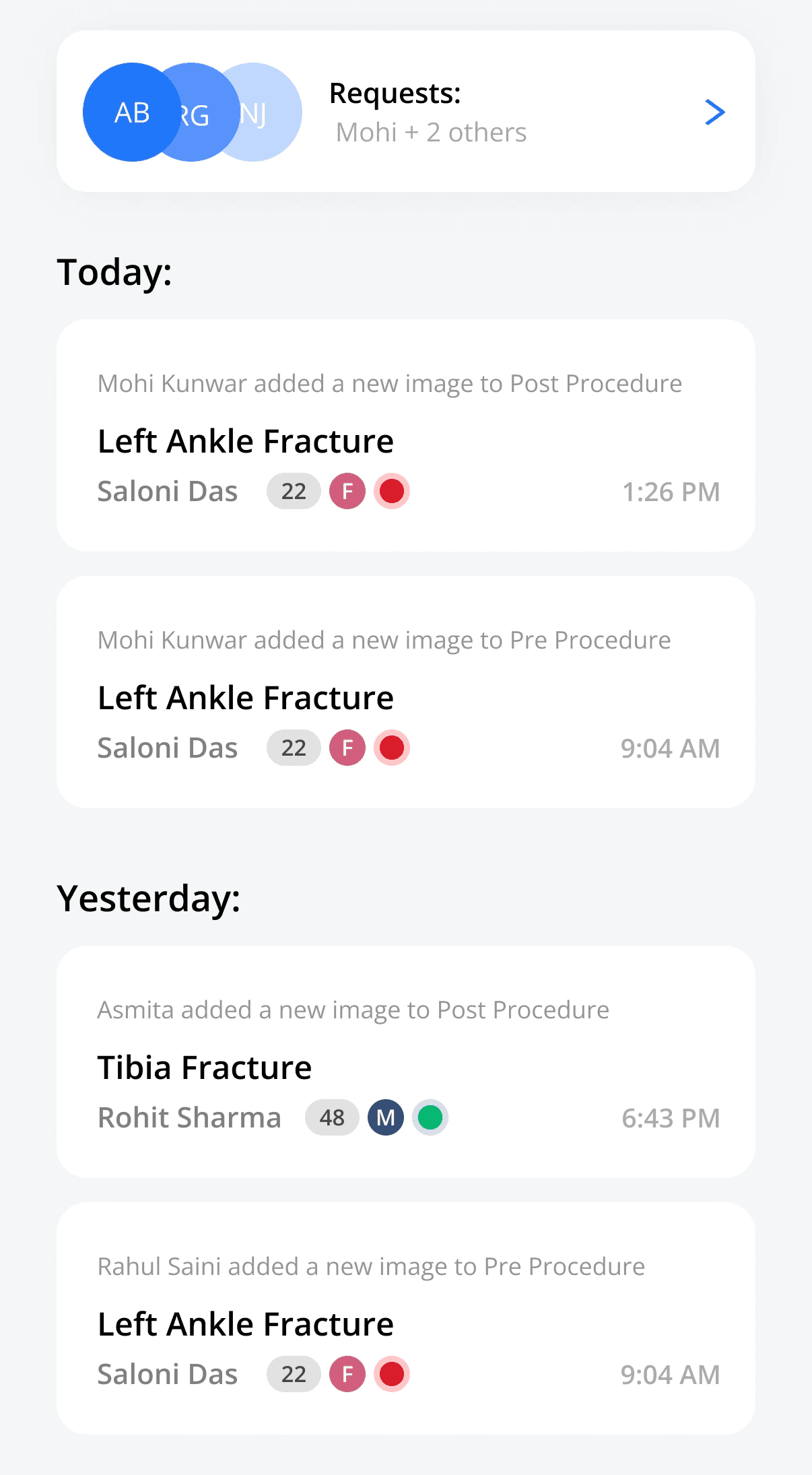
Feed reflects any changes made by a team member on any case, which helps keep track of progress.
Feed reflects any changes made by a team member on any case, which helps keep track of progress.
Feed reflects any changes made by a team member on any case, which helps keep track of progress.
Quick Documentation
Quick Documentation
Quick Documentation
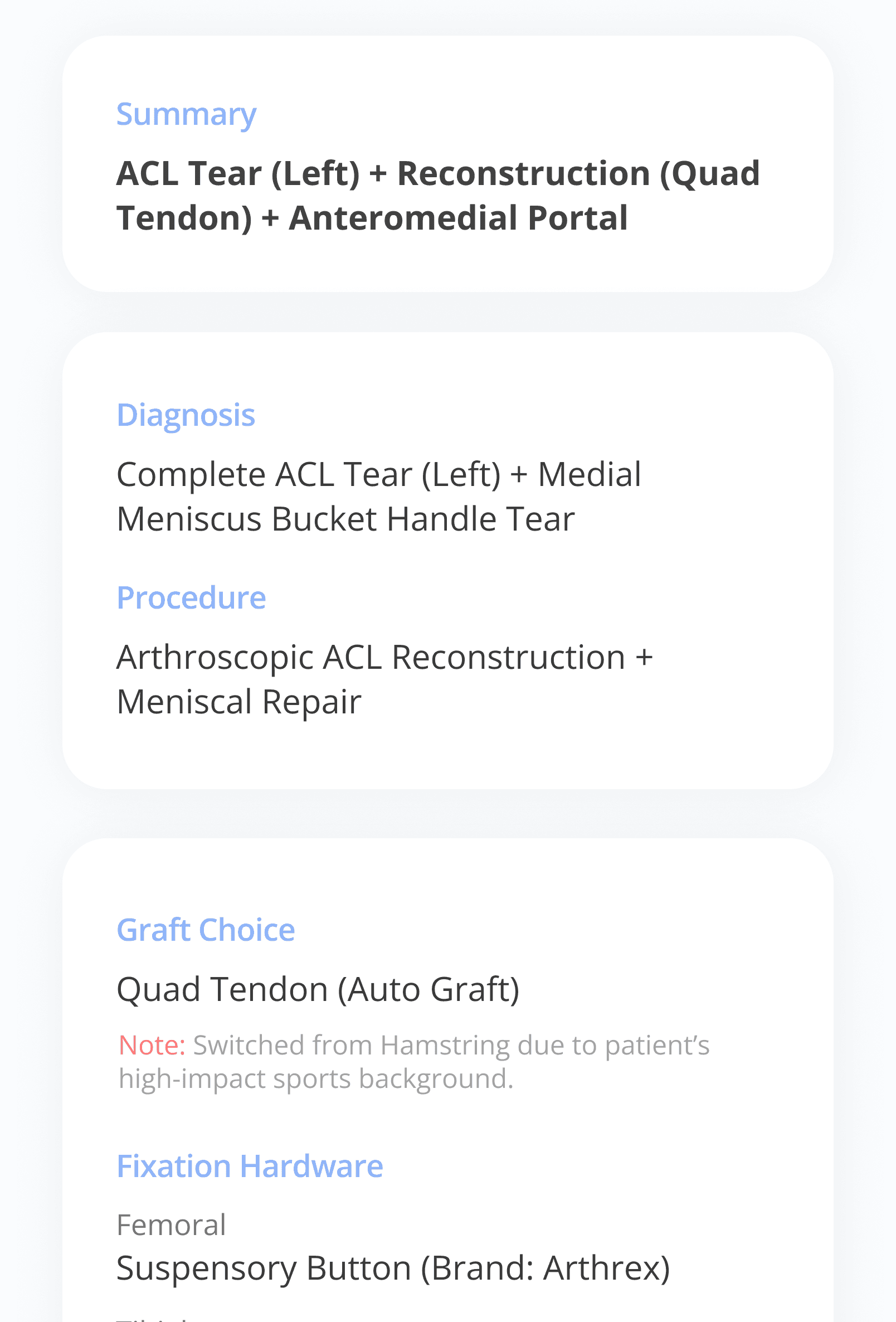
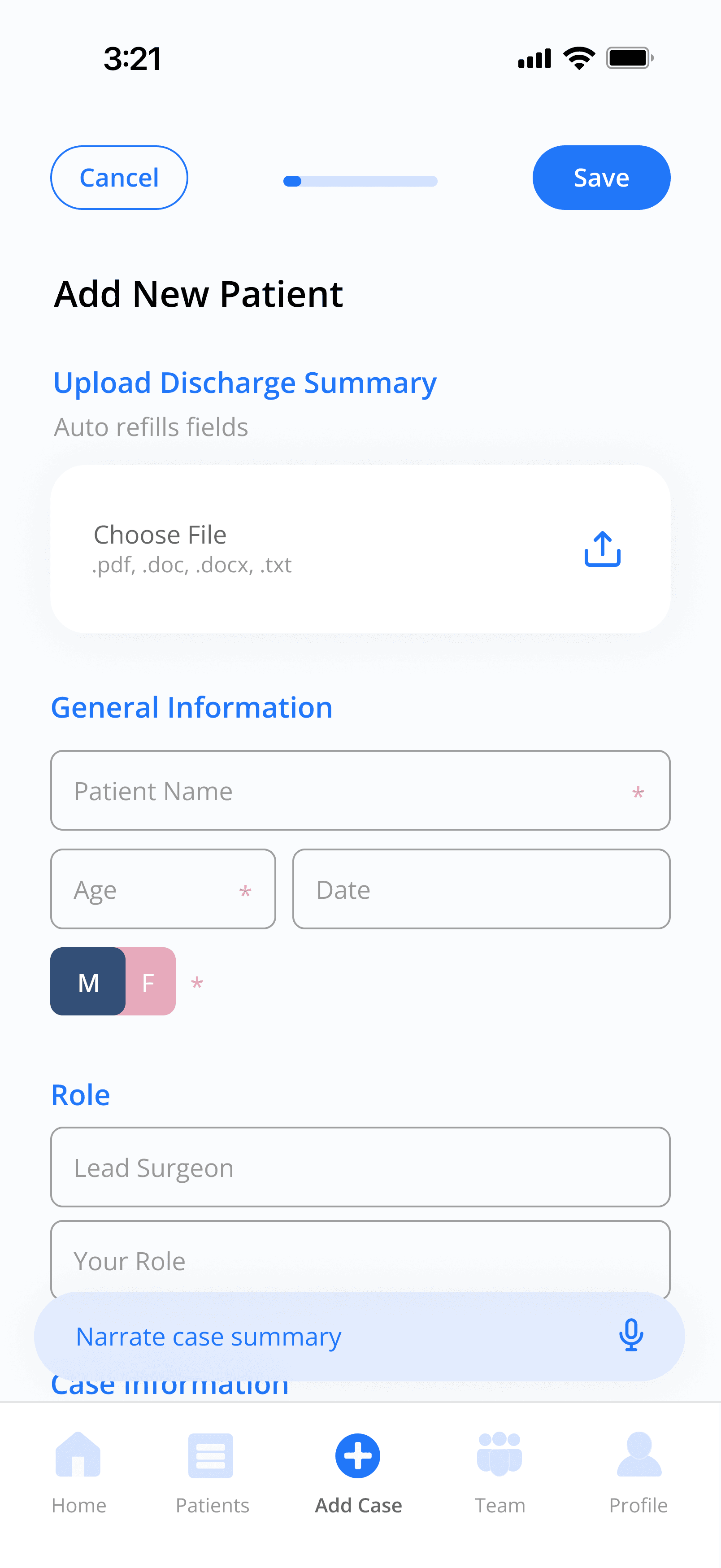
Ideated on a quick way to document where further fields keep on reducing based on the diagnosis.
Ideated on a quick way to document where further fields keep on reducing based on the diagnosis.
Ideated on a quick way to document where further fields keep on reducing based on the diagnosis.
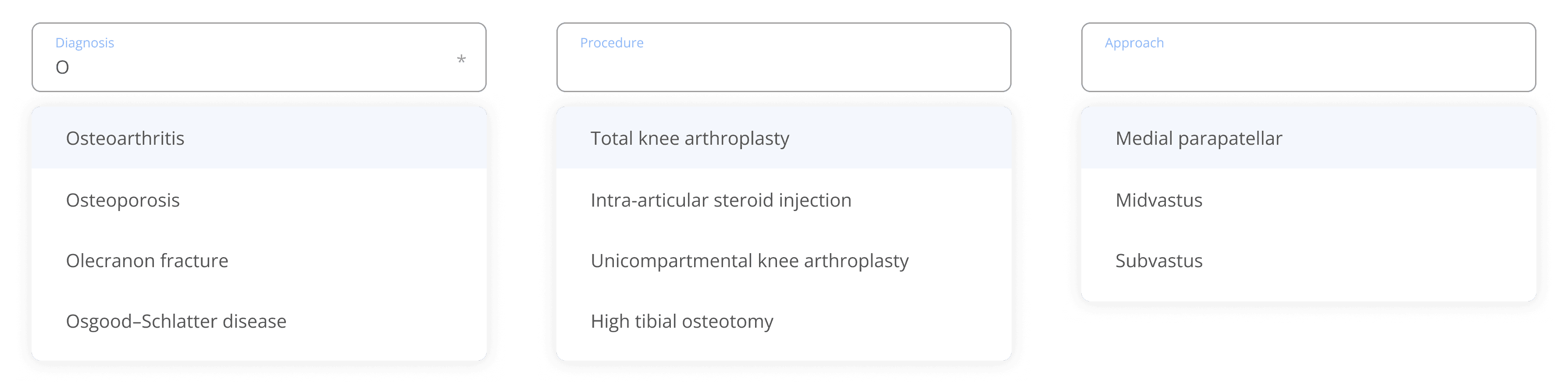
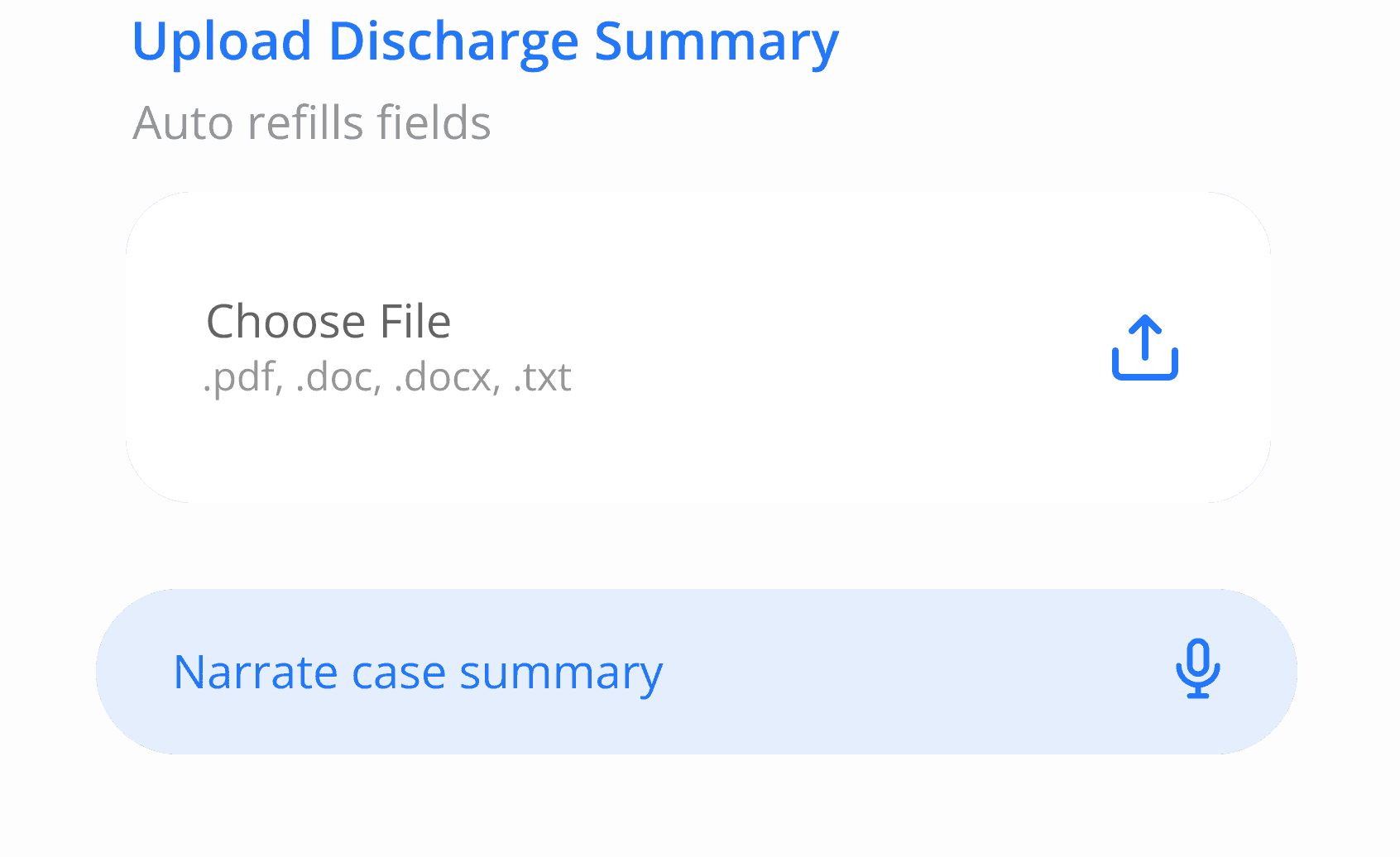
Surgeons can upload discharge summary or verbally narrate a case that will be auto filled using speech to text technology.
Surgeons can upload discharge summary or verbally narrate a case that will be auto filled using speech to text technology.
Surgeons can upload discharge summary or verbally narrate a case that will be auto filled using speech to text technology.
Patient Data
Patient Data
Patient Data
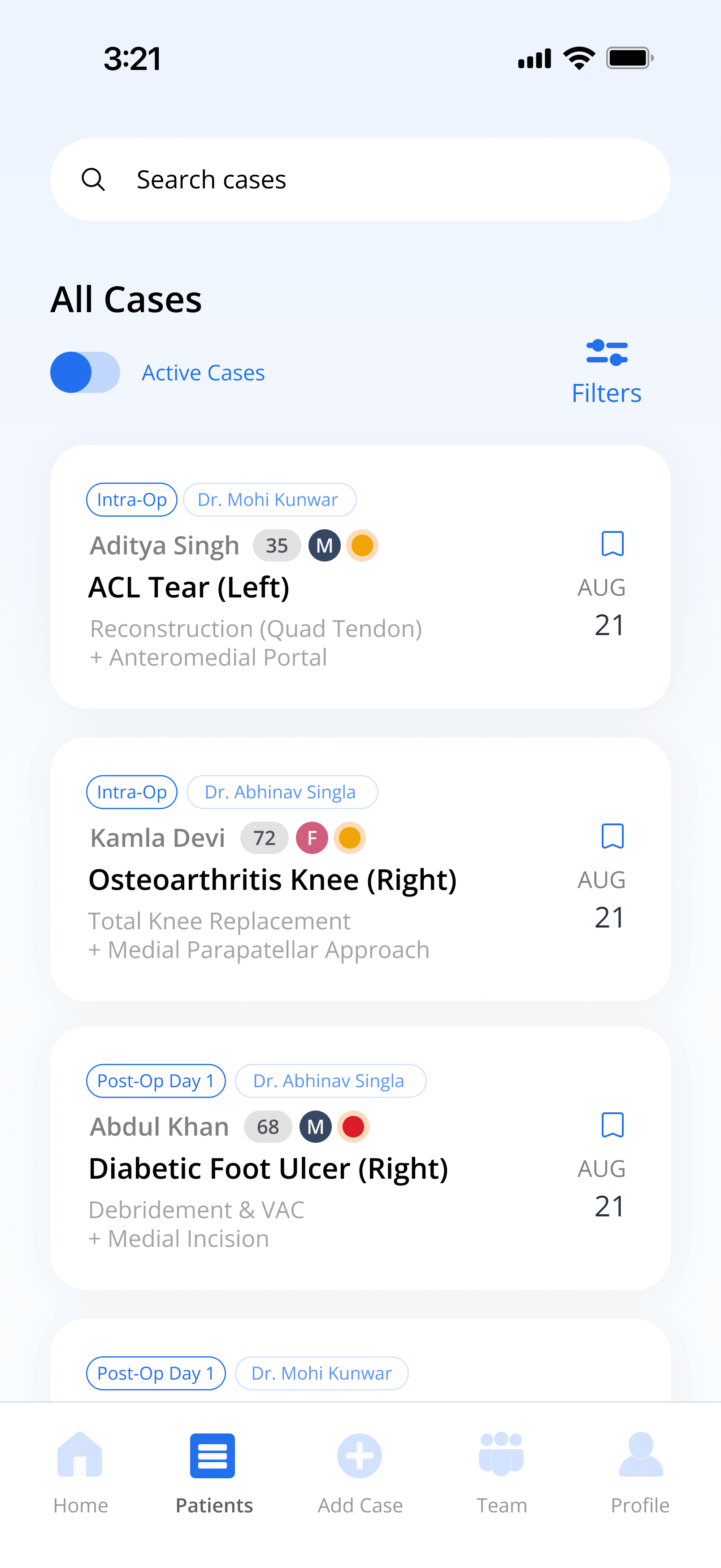
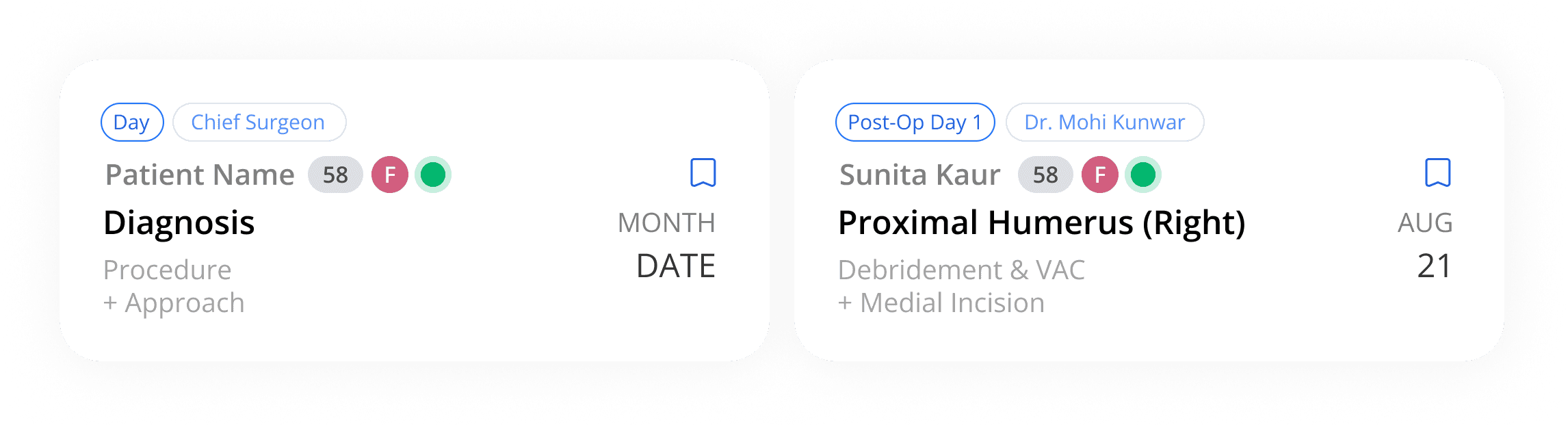
Case cards present key details about each case, allowing surgeons to quickly skim and identify a patient.
Case cards present key details about each case, allowing surgeons to quickly skim and identify a patient.
Case cards present key details about each case, allowing surgeons to quickly skim and identify a patient.
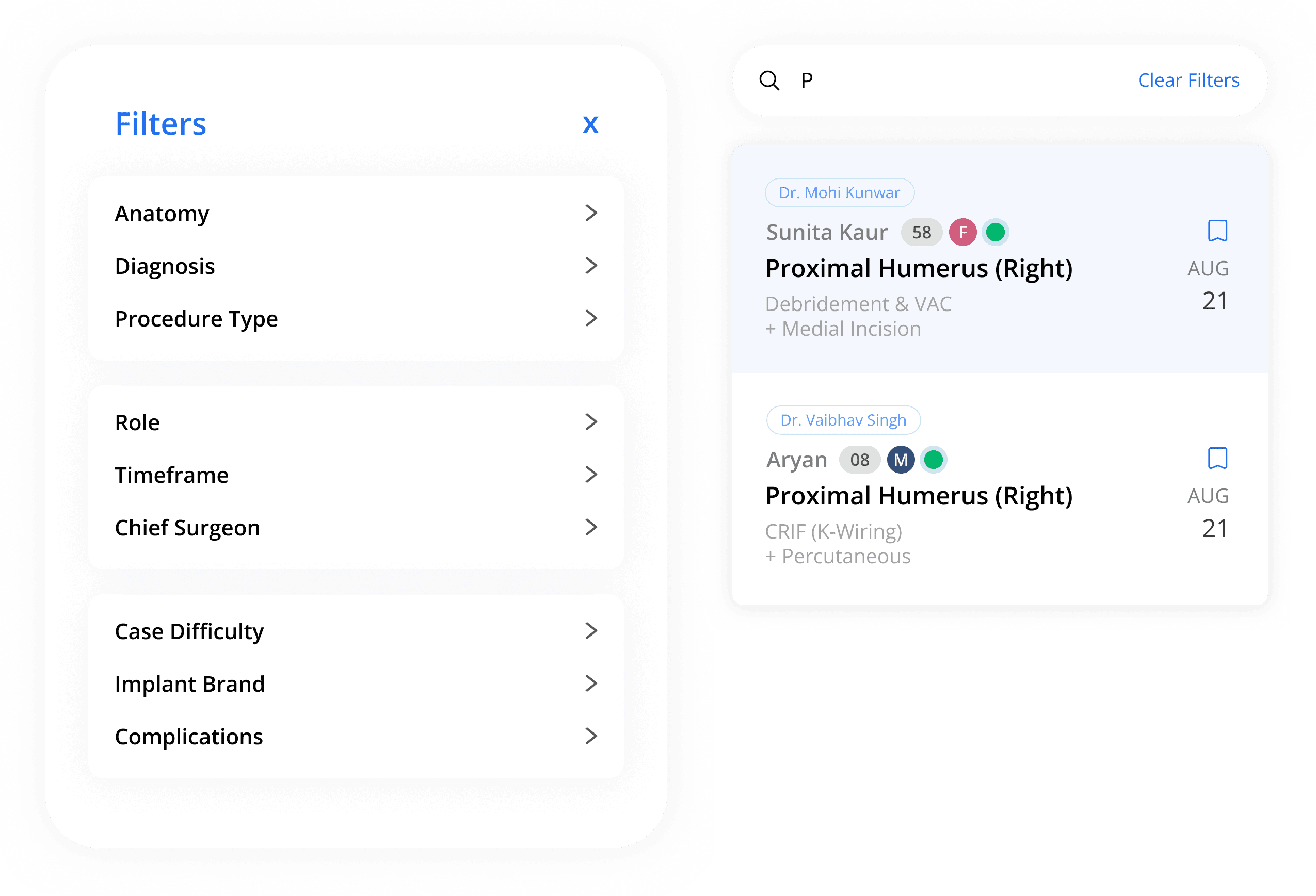
Combination of Filters and Search enables surgeons to find past cases with ease.
Combination of Filters and Search enables surgeons to find past cases with ease.
Combination of Filters and Search enables surgeons to find past cases with ease.
Patient's Digital File
Patient's Digital File
Patient's Digital File
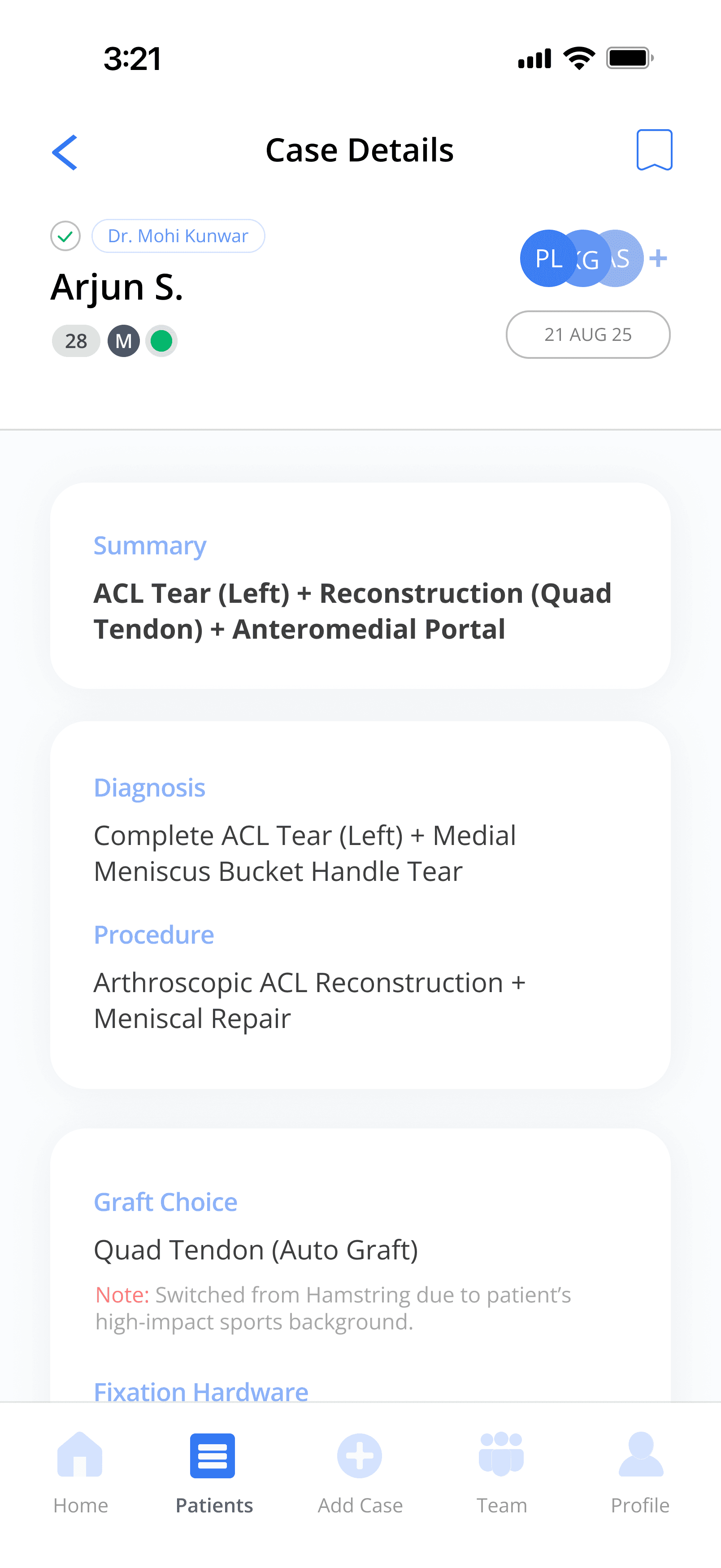
Surgeons can categorize cases based on Case Difficulty, and can bookmark important cases.
Surgeons can categorize cases based on Case Difficulty, and can bookmark important cases.

Surgeon's Team
Surgeon's Team
Surgeon's Team
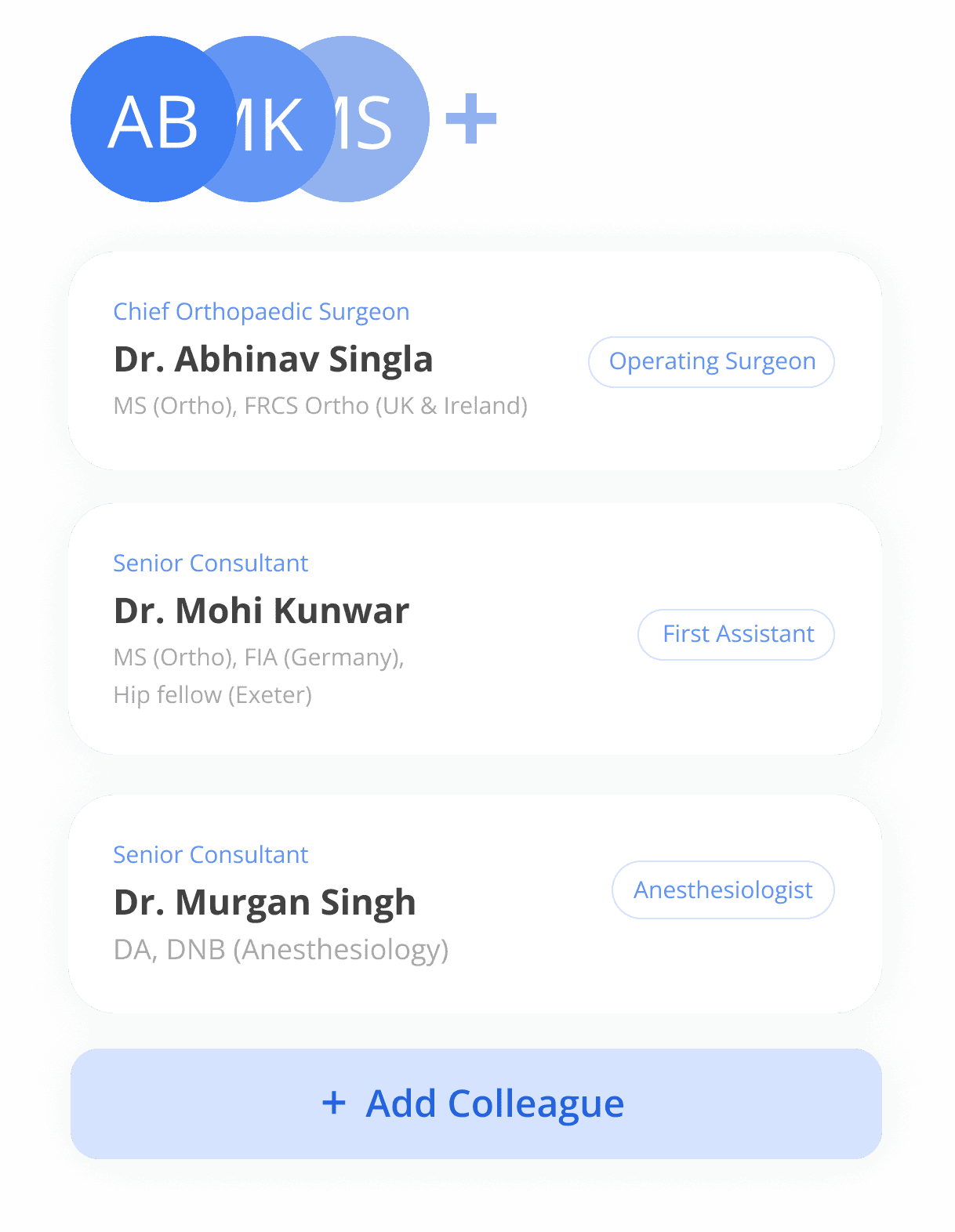
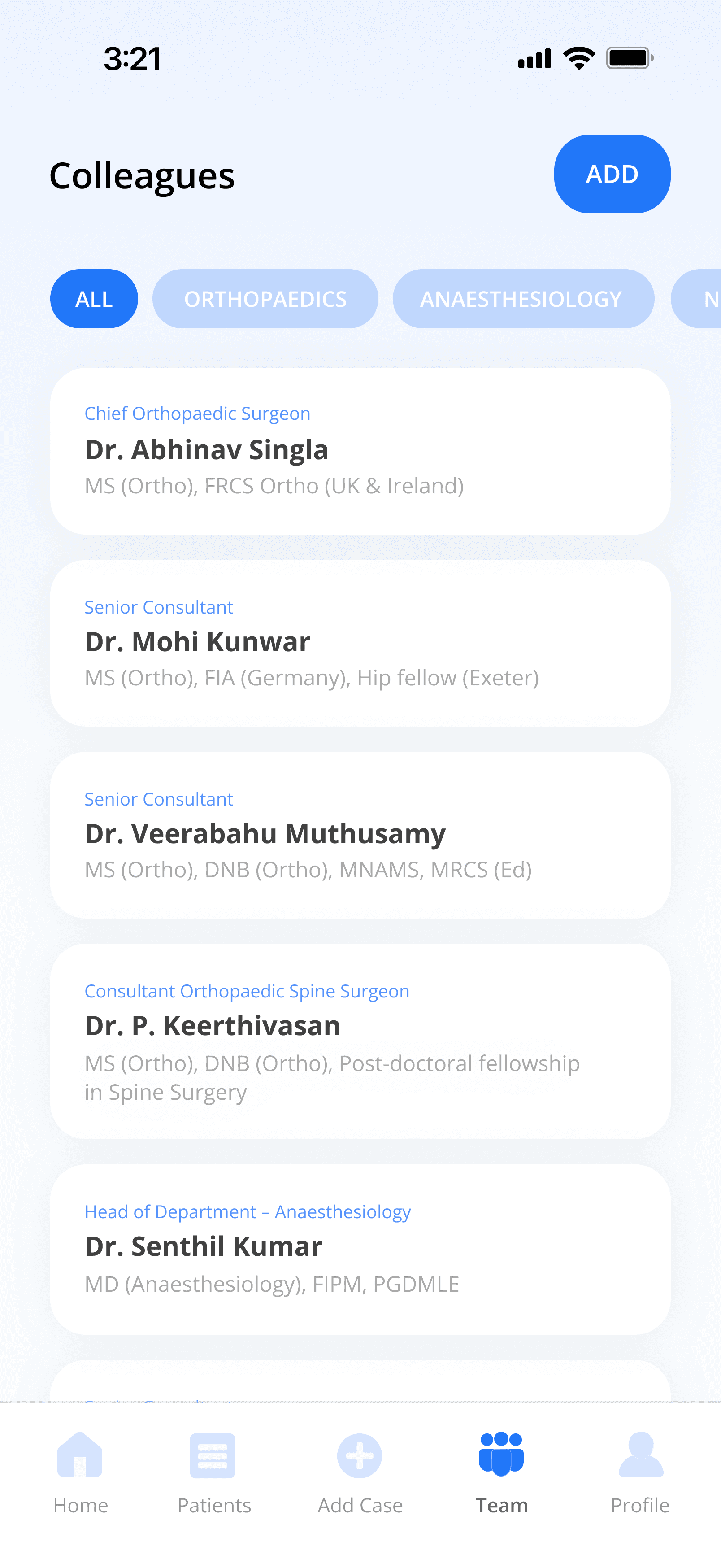
Surgeons can view cases that they did with their team members across speciaities.
Surgeons can view cases that they did with their team members across speciaities.
Surgeons can view cases that they did with their team members across speciaities.
Notifications can be viewed from the home page where user is alerted when someone adds the user to a new case.
Notifications can be viewed from the home page where user is alerted when someone adds the user to a new case.
Notifications can be viewed from the home page where user is alerted when someone adds the user to a new case.
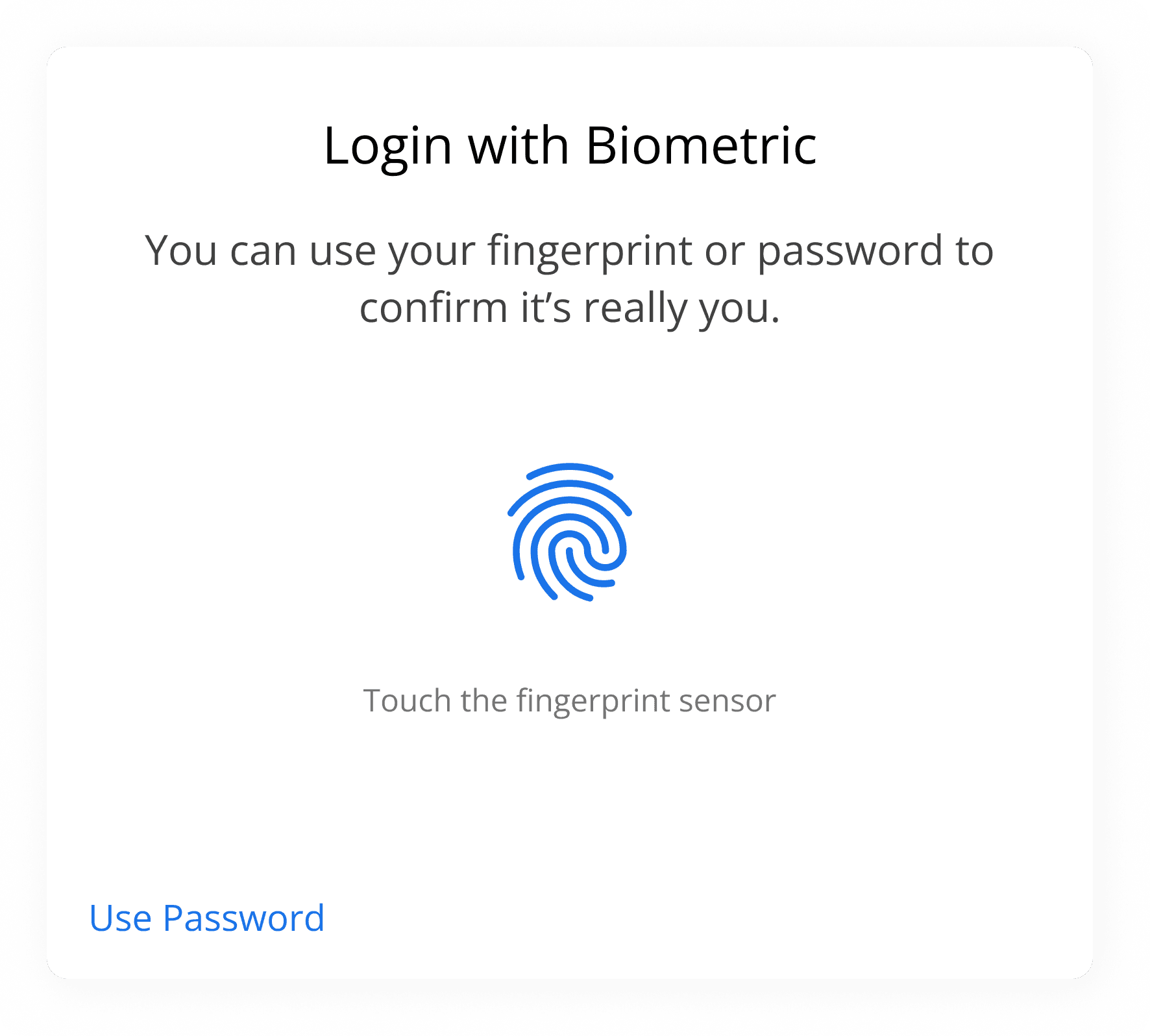
Privacy Protection
Biometric authentication ensures the data is inaccessible to anyone but the surgeon on their own device.
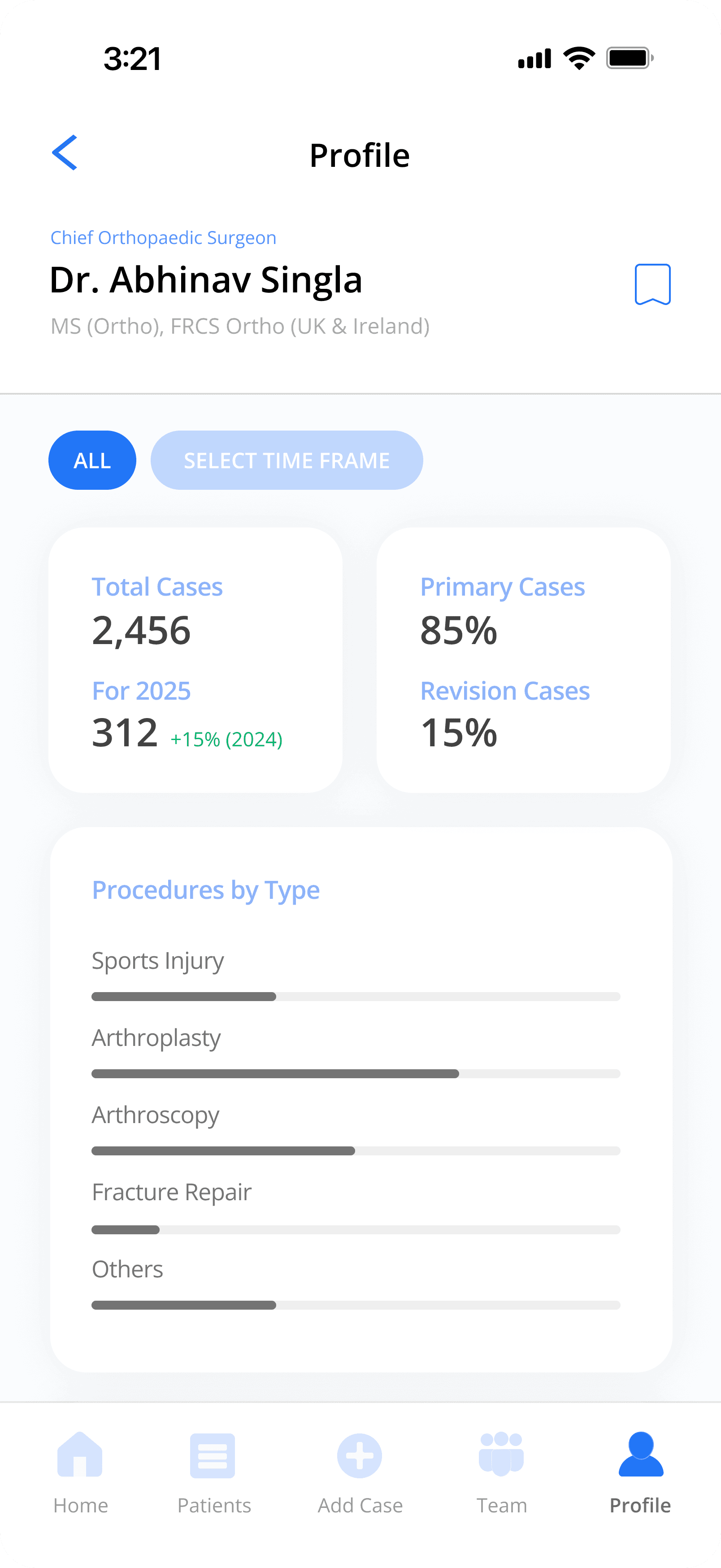
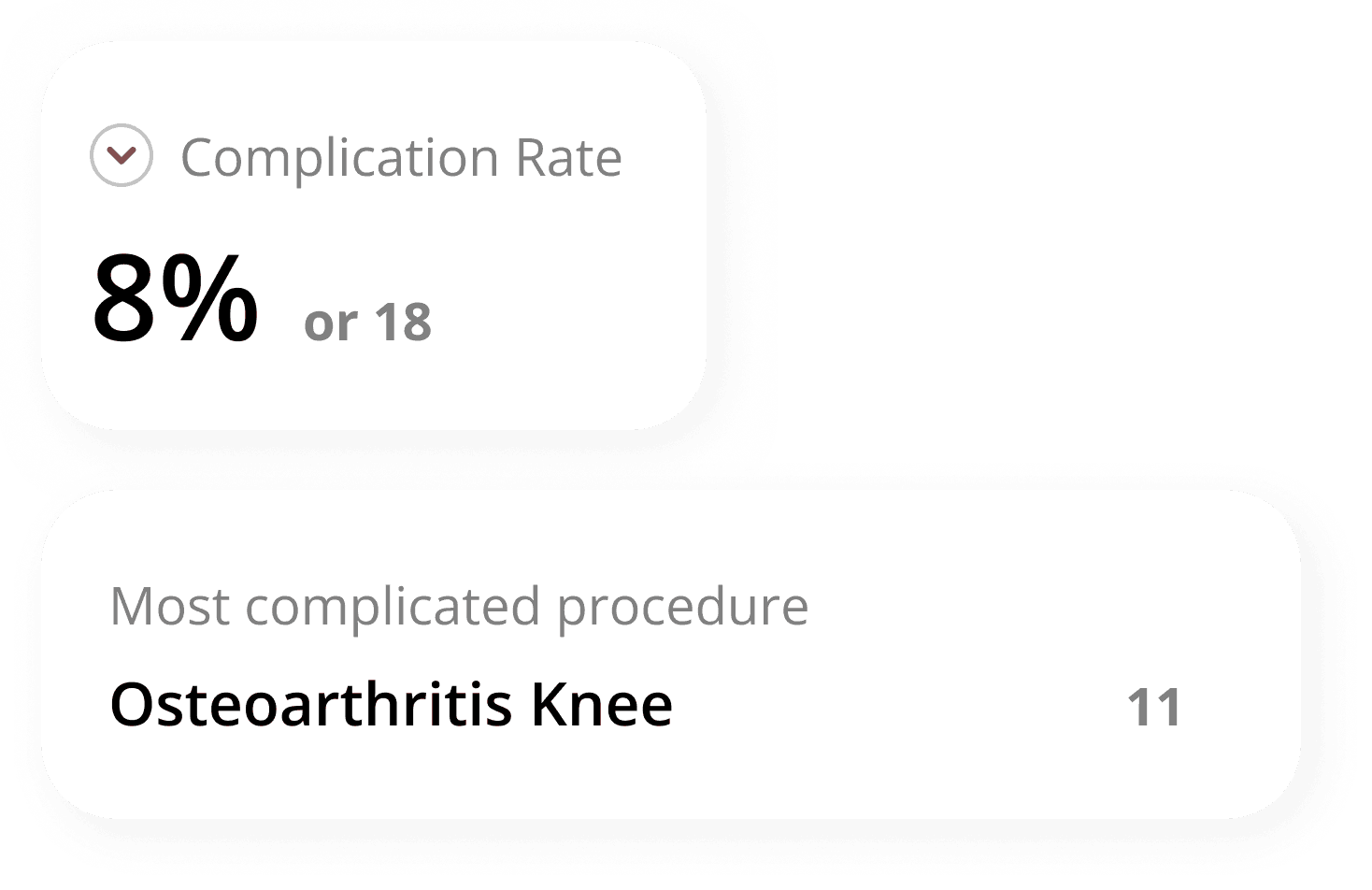
Analytics
General analytics for surgeons to study their cases and past complications
General analytics for surgeons to study their cases and past complications
General analytics for surgeons to study their cases and past complications
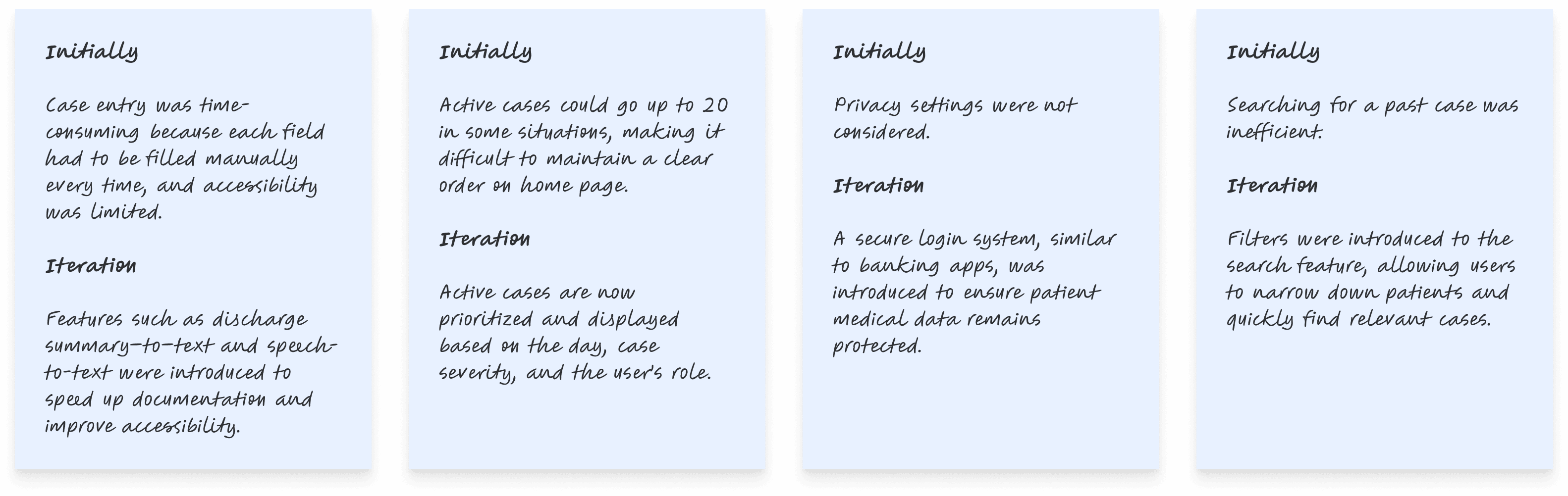
Design Improvements After Usability Testing (Reflected in the Final Solution)
Design Improvements After Usability Testing (Reflected in the Final Solution)
The Result: Final Figures
The Result: Final Figures
The Result: Final Figures
Since the product still isn’t published for use, there was no scope of public testing yet. However, we conducted usability testing on the same users we interviewed before.
Here’s a summary of our usability testing.
Since the product still isn’t published for use, there was no scope of public testing yet. However, we conducted usability testing on the same users we interviewed before.
Here’s a summary of our usability testing.
Documentation time is 5x faster
Documentation time is 5x faster
Documentation time is 5x faster
From 10-15 minutes per procedure to < 2 minutes, surgeons were able to quickly log a new case using simple methods like uploading discharge summaries, and fields with drop-downs.
From 10-15 minutes per procedure to < 2 minutes, surgeons were able to quickly log a new case using simple methods like uploading discharge summaries, and fields with drop-downs.
Collaboration increased efficiency by 3x
Collaboration increased efficiency by 3x
Collaboration increased efficiency by 3x
On average, 3–4 doctors are involved in a single case. However, only one of them needs to save or document the case, rather than each doctor doing it individually.
On average, 3–4 doctors are involved in a single case. However, only one of them needs to save or document the case, rather than each doctor doing it individually.
Further Steps: Speciality Specific Design
Further Steps: Speciality Specific Design
Further Steps: Speciality Specific Design
Most SaaS products try to be "one solution for everyone." In this case, we want to cater to different specialities based on their workflow. The current solution is orthopedics focused.
Most SaaS products try to be "one solution for everyone." In this case, we want to cater to different specialities based on their workflow. The current solution is orthopedics focused.
Learnings
Learnings
Learnings
Behavioral Insights ≠ Emotional Insights
Behavioral Insights ≠ Emotional Insights
Behavioral Insights ≠ Emotional Insights
Designing only for user behavior can miss the emotional response behind it. For example, while surgeons said they wanted peer comparison, testing revealed some felt uncomfortable being directly compared. Hence "peer comparison" was changed to "benchmark your growth"
Designing only for user behavior can miss the emotional response behind it. For example, while surgeons said they wanted peer comparison, testing revealed some felt uncomfortable being directly compared. Hence "peer comparison" was changed to "benchmark your growth"
2. Friction Beats Features
2. Friction Beats Features
2. Friction Beats Features
Adoption depends more on speed than functionality. For instance, surgeons preferred quick WhatsApp notes (1–2 minutes) over a feature-rich system that required 5–10 minutes for case entry.
Adoption depends more on speed than functionality. For instance, surgeons preferred quick WhatsApp notes (1–2 minutes) over a feature-rich system that required 5–10 minutes for case entry.